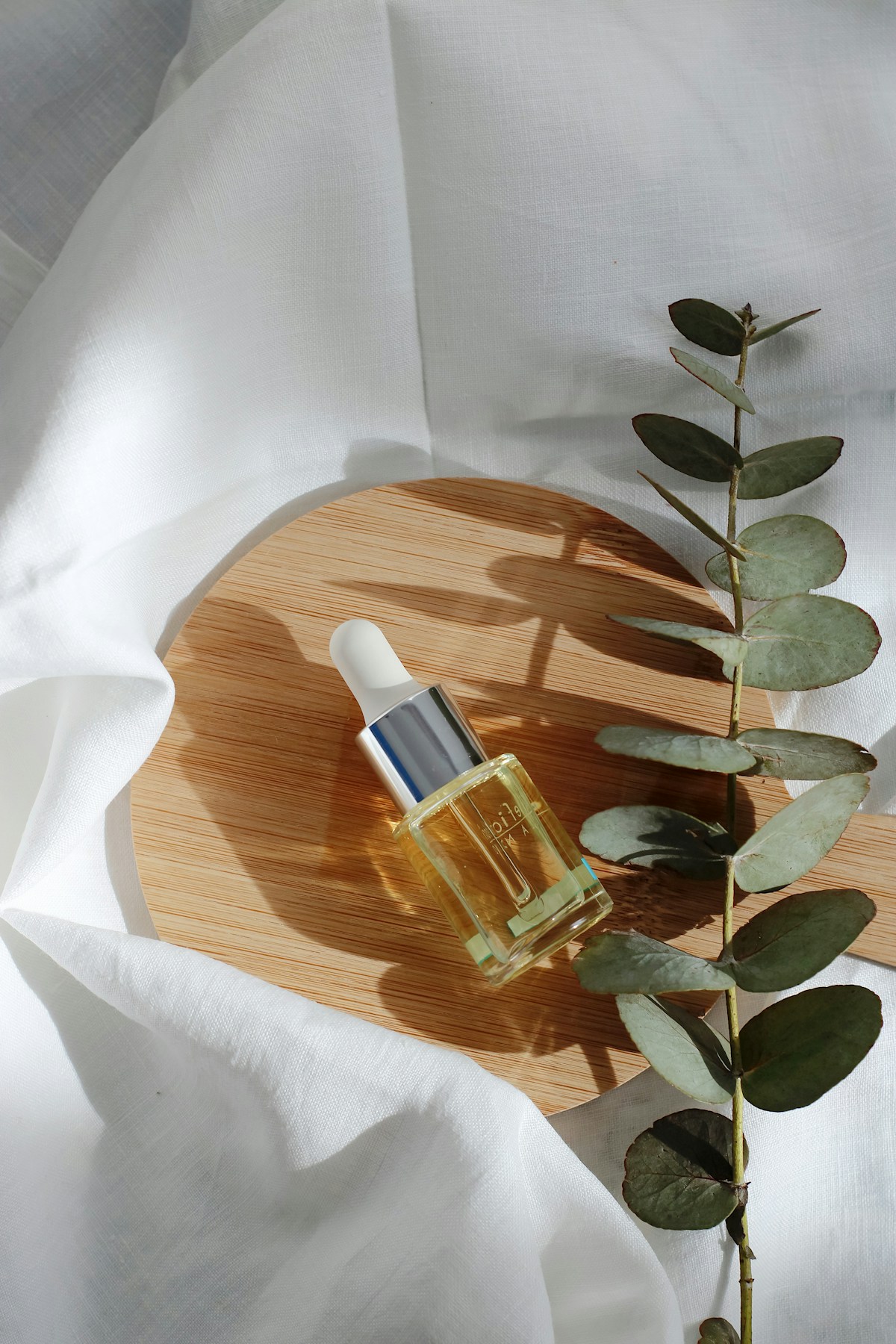
香料讓你喜歡一瓶保養品。它讓開瓶的儀式感覺像是獎勵,讓你相信這是高端的、有療癒感的,值得那個價格。
但對皮膚,特別是敏感肌來說,香料幾乎沒有任何益處,而且是導致接觸性皮膚炎最常見的原因之一。
成分表上的「香料」是什麼?隱藏致敏成分全解析
「香料」(Fragrance / Parfum)在成分表上是一個模糊的集合名詞。歐盟規定需要在成分表上單獨標示的 26 種致敏香料,美國和台灣並未強制要求——也就是說,一瓶標榜「天然香料」的產品,可能含有上百種化合物,其中許多是已知的皮膚敏感誘發劑。
柑橘類香料(Limonene、Linalool)、玫瑰萃取中的香葉醇(Geraniol)、薰衣草精油中的芳樟醇(Linalool)——這些在保養品廣告中被包裝為「天然」的成分,同樣能引發過敏反應,並且氧化後致敏性更高。
敏感肌為什麼要選擇完全無香的保養品?
敏感肌最安全的選擇是:完全無香。不是「低香」,是零香。
這不是關於香料的道德問題,而是成本效益的計算:你的皮膚每天面對的挑戰已經夠多了,沒有理由為了一個氣味讓屏障承受額外的風險。
Fragrance makes you like a skincare product. It makes opening the bottle feel like a reward, signals luxury and care, and justifies the price.
For skin — particularly sensitive skin — fragrance offers almost no benefit and is one of the most common causes of contact dermatitis.
What "Fragrance" on an Ingredient List Actually Contains
"Fragrance" (or "Parfum") is a catch-all term on ingredient labels. The EU requires separate disclosure of 26 known sensitizing fragrance allergens; the US and Taiwan do not. This means a product marketed as "naturally fragranced" may contain hundreds of compounds, many of them known skin sensitizers.
Citrus-derived limonene and linalool, geraniol from rose extracts, linalool from lavender oil — these "natural" ingredients, as packaged in beauty advertising, are equally capable of triggering sensitization, and their allergenic potential increases as they oxidize with air exposure.
Why Sensitive Skin Should Go Completely Fragrance-Free
For sensitive skin, the safest position is fragrance-free — not "low fragrance." Zero.
This isn't a moral argument against fragrance. It's a cost-benefit calculation: your skin faces enough daily challenges without asking the barrier to absorb additional risk for the sake of a scent.